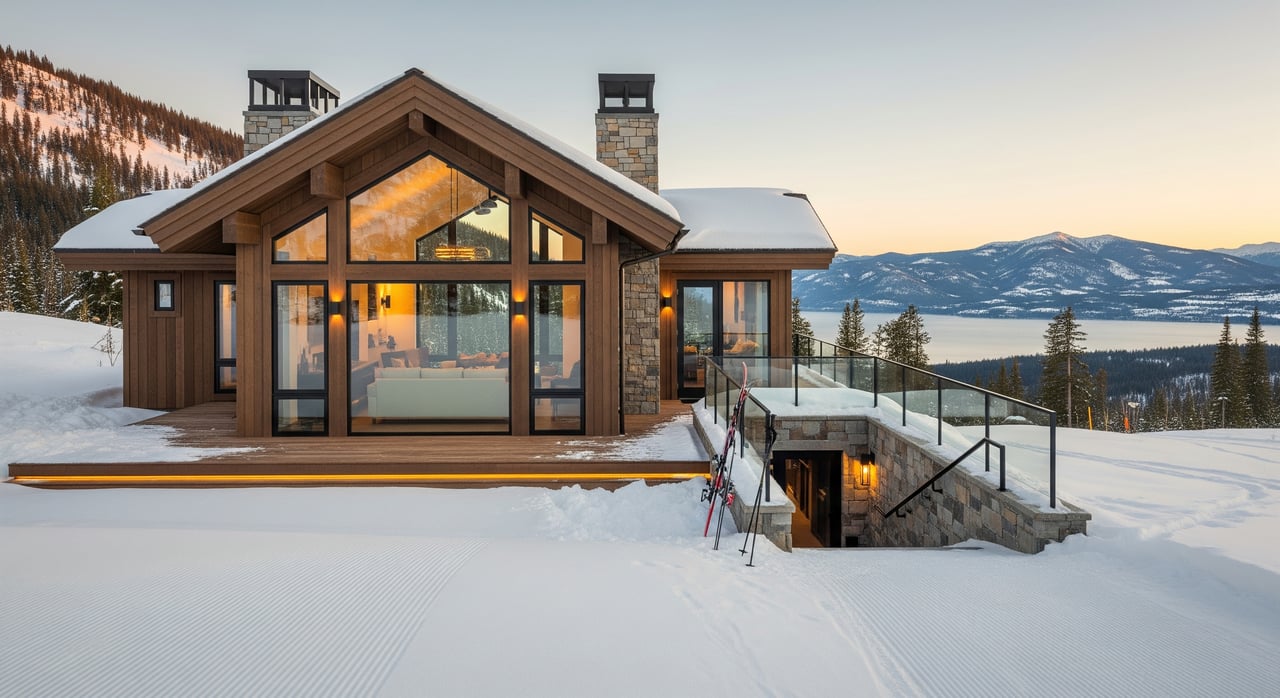
Picture this: you click into your bindings steps from your front door, glide to the lift, and catch first tracks before the village wakes up. If you’ve been eyeing Schweitzer for a second home or an income-producing getaway, you want clarity on access, rentals, financing, and what to look for on a private tour. In this guide, you’ll learn how ski-in/ski-out living works at Schweitzer, the practical tour checklist serious buyers use, key rental and lending basics, and how to arrange a smooth visit. Let’s dive in.
Schweitzer at a glance
Schweitzer Mountain Resort sits in North Idaho near Sandpoint in Bonner County. The nearest major airport for most buyers is Spokane International Airport, typically a 1.5 to 2-hour drive depending on road and weather conditions. The mountain offers a mix of base-area condos and townhomes, single-family homes, and more secluded chalets. Some homes are truly slopeside with door-to-snow access, while others are ski-adjacent and rely on a short walk, a shuttle, or a private access path.
Learn more about the resort experience on the official Schweitzer Mountain Resort site as you consider lifestyle fit and on-mountain amenities.
What ski-in/ski-out means here
True slopeside vs ski-adjacent
You’ll see a range of access types. True ski-in/ski-out typically means your door opens to a groomed run or a dedicated access trail that is maintained for easy glide-in and glide-out. Ski-adjacent homes might require crossing a residential road, walking a short distance, or using the resort shuttle. Confirm the exact route in winter and whether paths are cleared and groomed.
Property types and amenities
- Condos and townhomes near the base village are popular for lock-and-leave ownership, lower maintenance, and easy access to restaurants and retail. Many offer ski lockers, warming rooms, and on-site services.
- Single-family homes and chalets deliver more privacy, bigger garages, and storage for gear and vehicles. They can involve more hands-on winter upkeep and specialized access planning.
- Useful features to look for include ski and bike storage, boot dryers, mudrooms, resort shuttle access, proximity to lifts, and HOA services like snow removal and road maintenance.
Pre-tour prep for serious buyers
Arriving prepared lets you focus on the fit and function of each home.
Bring:
- A current lender pre-qualification or pre-approval letter, or recent proof of funds.
- Your must-have list: bedroom count, garage needs, storage for gear, elevator access needs, and preferred access type.
- Your intended use: primarily personal, part-time rental, or mostly investment. This affects lending, taxes, and HOA rules.
Logistics:
- Winter access can vary by storm cycle. Build buffer time for mountain roads and parking.
- If you’re flying in, Spokane International Airport is often the easiest hub. Coordinate a 4WD/AWD rental in winter or arrange local transfers.
- When touring multiple homes, consider staying on-mountain or in Sandpoint to keep your schedule flexible.
On-site checklist for ski homes
Use this framework during showings so you do not miss key details.
Access and parking
- Verify the real path from the door to the lift, including distance and vertical grade.
- Check parking type and capacity, guest parking rules, and snow-plow schedules.
- Ask about road maintenance responsibilities and any gated entry procedures.
Storage and utilities
- Confirm dedicated ski and bike storage, mudroom space, and boot dryers.
- Review HVAC and hot water capacity for peak occupancy days.
- Identify water and sewer type. If septic, request service records. If on a well, ask about flow rates and testing history.
- Ask about backup power and heating options for storm days. Verify broadband availability if you need remote work.
HOA and resort rules
- Request CC&Rs, bylaws, budgets, reserve studies, and recent meeting minutes.
- Look for short-term rental rules, pet policies, parking, and exterior maintenance responsibilities.
- For base-area properties, review any resort program requirements for owner and guest access.
Winter durability and maintenance
- Evaluate roof design for snow load, ice dam risk, and drainage.
- Inspect for signs of past winter damage or deferred maintenance.
- Consider ground-level entries, stairs, and handrails for safe winter use.
Noise, views, and privacy
- Note sightlines to runs, lifts, and neighboring homes.
- Visit during active resort hours to understand ambient sound and traffic patterns.
Fire and wildfire mitigation
- Ask about defensible space, vegetation management, and community fuels reduction programs.
- Confirm clear access for emergency vehicles.
Rentals and rules to confirm
Short-term rental permissions and taxes are layered and vary by community.
- HOA and resort rules: Some communities allow nightly rentals, others set minimum stays, approved managers, or booking rules. Start with each property’s governing documents and any resort policies. You can review overall resort context on Schweitzer’s official site.
- Local regulations: Rules may differ between Bonner County and the City of Sandpoint. Confirm business licensing and transient lodging requirements with the City of Sandpoint and check county-level processes with Bonner County.
- Taxes and registrations: Expect layered state and local lodging taxes. Verify registration and current rates with the Idaho State Tax Commission.
- Seasonality: Winter is the primary revenue driver. Summer activities can add shoulder-season income, but occupancy and rates vary. Use local property managers for comps and actual performance when possible.
Before relying on rental projections, confirm whether nightly rentals are allowed, who can manage them, and any owner use restrictions that affect your plan.
Financing and tax basics
How you plan to use the home affects your loan options.
- Second-home loans: Conventional lenders often allow down payments in the 10 to 20 percent range for qualified buyers, with full consideration of your combined debts and obligations.
- Investment property loans: If you plan to rent the home for a substantial portion of the year, lenders typically classify it as an investment. Expect higher down payments, often 20 to 25 percent or more, and different reserve and qualification rules. Some lenders may consider rental history or a portion of projected rent from a recognized manager.
- Jumbo mortgages: If your purchase exceeds conforming loan limits, a jumbo loan may apply. Requirements and rates vary by lender.
- Documentation: Be ready to provide pre-approval, proof of funds, reserves, and your intended use. Lenders often review HOA fees, condo financials, and any special assessments.
Tax notes to discuss with your CPA:
- The IRS 14-day rule generally allows you to rent your home fewer than 15 days per year without reporting the income. Review details in IRS Publication 527.
- Mortgage interest rules differ based on personal use versus rental use. Depreciation and passive activity limitations can apply to rentals.
- Local lodging taxes are separate from federal taxes. Plan for collection and remittance when applicable.
Operating costs and management choices
Budget beyond the mortgage so cash flow aligns with your goals.
- Common operating costs: HOA dues, property management, utilities, insurance, cleaning, maintenance, and reserves for capital projects.
- Management fees: Full-service vacation rental managers often charge 20 to 40 percent of gross rent. They handle marketing, bookings, guest services, and maintenance. Some owners self-manage, but you need local vendors and reliable cleaning support.
- Insurance: Mountain homes can carry higher premiums due to snow load, ice, and wildfire exposures. If renting, consider a policy that covers short-term rental activity and verify exclusions.
Your underwriting should use property-specific data whenever possible, especially for income and true net returns after fees, dues, and taxes.
Plan your private tour
You will get the most value from a curated tour aligned to your access preferences, use plan, and budget. We recommend sharing your pre-approval or proof of funds, plus a short questionnaire about your intended use and must-haves. When dates are set, we will coordinate access, optimize routing around lift operations and village traffic, and build in time for on-site due diligence.
Ready to see the best options on your schedule? Reach out to Robert Jacobs II to compare ski-in/ski-out and ski-adjacent homes, review HOA and rental rules, and arrange a private, well-planned tour.
FAQs
Is a Schweitzer home truly ski-in/ski-out?
- Confirm the door-to-lift route in winter, including any road crossings, walking distance, grooming, and whether a shuttle is required. Verify during your site visit.
Can I rent a Schweitzer-area home nightly?
- It depends on HOA and resort rules, plus local regulations. Check CC&Rs and confirm licensing and taxes with the City of Sandpoint, Bonner County, and the Idaho State Tax Commission.
What down payment is typical for a second home here?
- Many conventional second-home loans allow about 10 to 20 percent down for qualified buyers, while investment loans often require 20 to 25 percent or more. Get pre-approved to clarify your terms.
How long is the trip from Spokane airport to Schweitzer?
- The drive is typically about 1.5 to 2 hours, depending on road and weather conditions. Plan extra time in winter and consider 4WD/AWD.
What should I review in the HOA documents?
- Focus on short-term rental rules, budgets and reserves, special assessments, parking, pet policies, exterior maintenance, and any resort program requirements for owners and guests.
How does the IRS treat occasional rentals of a vacation home?
- If you rent the home fewer than 15 days in a year, rental income is generally not reported. For 15 days or more, follow rental property rules. See IRS Publication 527.