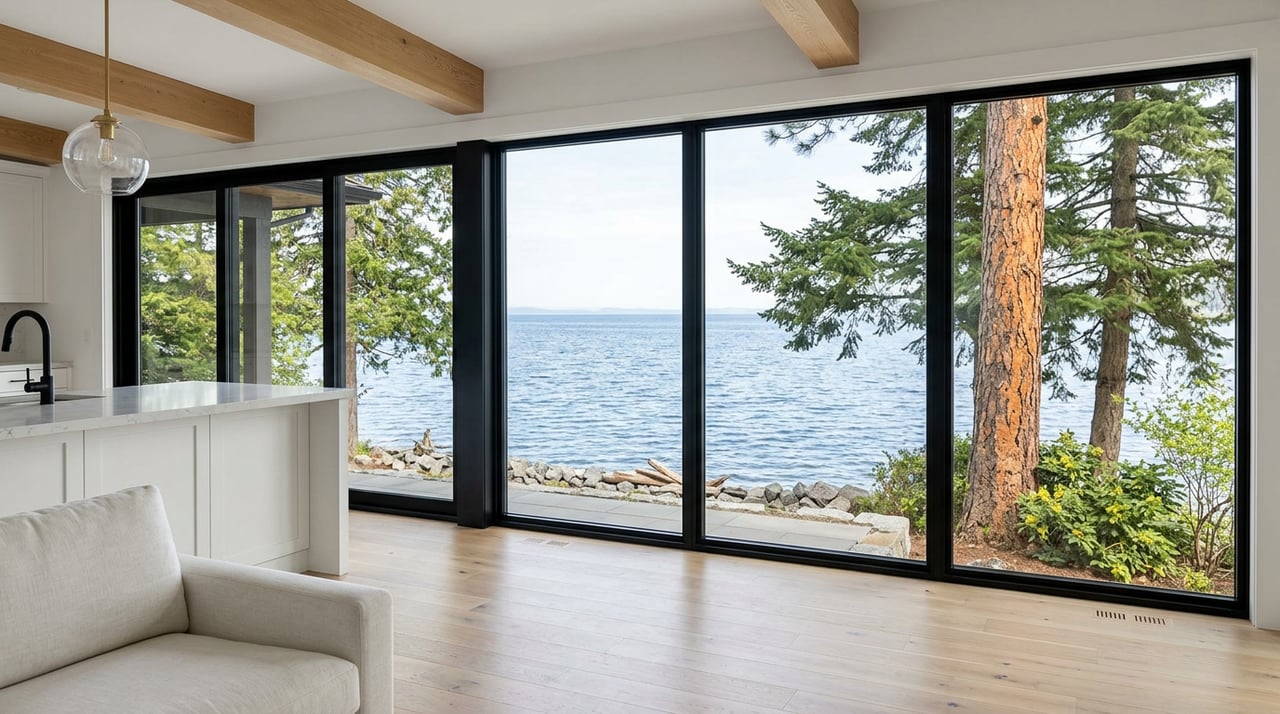
Picture morning coffee on your own dock, the glassy surface of Lake Coeur d’Alene just steps away. Waterfront living here is special, but buying on the water is not the same as buying in town. Permits, shoreline rules, septic systems, flood risk, and seasonal lake levels can affect what you can build, how you use your dock, and your long‑term costs. This guide gives you clear steps, key questions, and trusted resources so you can buy with confidence. Let’s dive in.
Start with permits and rules
State permits for docks and shoreline work
If a property has a dock, buoy, riprap, or other structure in the lake, the Idaho Department of Lands regulates it under the Lake Protection Act. You should verify that any existing dock has a valid encroachment permit or submerged‑land lease, whether it was recorded, and whether it can be assigned to you at closing. Ask for the permit number and supporting documents, then confirm details using the state’s encroachment program resources at the Idaho Department of Lands. You can review process steps and transfer forms on the IDL encroachments page to plan timelines and costs.
- Learn more: the IDL encroachments page explains permits, assignments, and inspections: IDL Navigable Waterways — Encroachments.
Federal review when working in the water
Some in‑water work also needs federal authorization from the U.S. Army Corps of Engineers. Construction of a pier or placement of fill can trigger Section 10 or Section 404 review. Many projects use a joint application that coordinates state and federal agencies. If you plan dock changes, talk to the Corps early to understand whether a nationwide permit or individual review applies. See the Corps regulatory overview here: USACE Regulatory Program.
City or county — know your jurisdiction
First, confirm whether the parcel is inside the City of Coeur d’Alene or in unincorporated Kootenai County. Inside the city, municipal planning and building rules apply. In the county, different setbacks, lot coverage limits, and waterways codes may apply. Start with the City of Coeur d’Alene Planning page if the address is within city limits. For lake use and safety, review Kootenai County’s boating and no‑wake rules, since local navigation affects daily life and dock access: Kootenai County Boating Rules.
Value drivers on the water
Frontage and lot shape
Waterfront value is often discussed in front feet, but not every foot is equal. Usable frontage, the lot’s slope, and how the Ordinary High Water Mark sits on the property influence whether you can create terraces, place a dock efficiently, or add outdoor living areas. A wider, gently sloped shoreline can outperform a narrow lot with similar acreage because it is more usable for everyday living and moorage.
Water depth and moorage type
Depth at your shoreline controls what you can safely moor and the type of dock you will need. Shallow water may limit boat size or require a longer walkway. In deeper water, a pile‑supported pier or boat garage can add utility, but it also adds permitting complexity and cost. Ask for any past depth soundings, and if none exist, consider commissioning one before you finalize your offer.
Seasonal levels and winter use
Lake Coeur d’Alene is managed by Post Falls Dam, with a normal summer full‑pool elevation historically cited around 2,128 feet. Levels shift through the seasons, so late‑summer depth and winter removal or storage of seasonal docks matter to your purchase decision. Ask the seller how the dock performs during dry years and what they do when ice develops. For background on lake level management, see this EPA overview: Lake level background.
Views and solar exposure
Orientation toward open water, evening sun, and preserved view corridors can change how you live in the home. Appraisers consider view quality, but this is a very local and subjective factor. When touring, stand where you would place outdoor seating and look over neighbor docks and vegetation to gauge the feel at different times of day.
Health, safety, and the environment
Water quality and fish advisories
The Coeur d’Alene Basin has legacy mining contamination in certain areas. Agencies maintain guidance for safe recreation and fish consumption. If you plan to eat your catch or have young children playing near sediments, review the latest advisories and best‑practice tips here: Coeur d’Alene Basin safe recreation. These advisories can influence your personal use and resale conversations, so it helps to understand them early.
Shoreline armoring and erosion
Riprap, retaining walls, and other stabilization features typically require state review and sometimes federal review. Unpermitted armoring can create enforcement risk and affect value. Ask the seller for permits and engineering reports for any shoreline work. During inspections, have a shoreline or geotechnical professional look for erosion, shifting rocks, or neighboring structures that may change sediment patterns over time.
Invasive species and boat inspections
Idaho runs a mandatory watercraft inspection and decontamination program to prevent zebra and quagga mussels. If you or your guests bring boats from other states, plan to follow CLEAN, DRAIN, DRY protocols and stop at inspection stations when they are open. Learn more through the state program: Idaho Invasive Species Council and inspection info.
Septic, flood, and insurance
Septic and water supply
Many lakefront homes use onsite septic systems, and lenders often require verification that they are functioning. Ask for the septic permit history, tank size, drainfield location, and recent pump or inspection records. If municipal sewer is available, request connection details and costs. The Panhandle Health District is your primary contact for records and permits: Panhandle Health District.
Flood zones and lender requirements
Check FEMA Flood Insurance Rate Maps to see whether the parcel sits in a Special Flood Hazard Area. Lenders commonly require flood insurance for homes in these zones. Local communities also work with FEMA on map updates, which can change risk ratings. For a plain‑English overview of permits and floodplain considerations near the water, review this local resource: Understanding permits near water in the Coeur d’Alene Basin.
Homeowners and specialty coverage
Standard homeowners policies usually exclude flood. Waterfront owners often add umbrella liability, watercraft coverage for resident boats, and endorsements for docks or seawalls. Get quotes during your inspection window so you understand true carrying costs and any coverage limits for shoreline structures.
Your buyer checklist
Use this checklist at showings and during escrow. Request documents early and make key items contract contingencies.
- Deed and legal: recorded deed, legal description, easements, and any CCRs or HOA documents.
- Survey and OHWM: a current boundary survey that identifies the Ordinary High Water Mark and upland boundary.
- Dock and shoreline permits: copies of IDL encroachment permits or submerged‑land leases, any USACE authorizations, and proof of recording. Confirm transferability and fees with IDL.
- Dock condition: a marine contractor’s inspection of pilings, hardware, flotation, and electrical. Request photos and recent invoices.
- Shoreline stabilization: permits and engineering for riprap, bulkheads, or groins. Note any erosion next door that could affect your lot.
- Water depth and navigation: site‑specific depth soundings at the mooring and along your travel lane. Check local no‑wake rules and navigation hazards.
- Septic and water: septic permit, tank size, drainfield map, and pump records. If city sewer is nearby, get connection details and costs.
- Environmental and health: current fish consumption advisories and basin guidance for safe recreation.
- Title and encumbrances: confirm that any dock permit or lease is current and not in arrears. Ask for evidence of compliance with permit conditions.
- Flood and insurance: FEMA FIRM panel, flood zone, and seller’s current insurance premiums. Ask about any map revisions that may change risk.
- Invasive species: plan for Idaho boat inspections, especially if boats are coming from out of state.
- Financing and appraisal: use a waterfront‑experienced appraiser and provide all permits and surveys to your lender early.
Who to call first
- Idaho Department of Lands — Navigable Waterways and encroachment permits, assignments, and shoreline guidance.
- U.S. Army Corps of Engineers — Section 10 and Section 404 permitting questions for in‑water work.
- City of Coeur d’Alene Planning or Kootenai County Community Development — zoning, building permits, and floodplain questions.
- Kootenai County Parks and Waterways — boating rules, county docks, and launches.
- Panhandle Health District — septic permits and records.
How we help you land the right lake home
Buying on Lake Coeur d’Alene or nearby lake corridors is part real estate and part project management. You deserve an advisor who understands both. As a North Idaho native with a finance background, I pair local know‑how with a clear, step‑by‑step approach. My team coordinates surveys, permit verification, specialist inspections, and lender needs so you move from offer to closing with fewer surprises. If you are exploring waterfront options in Coeur d’Alene or Kootenai County, let’s talk about your goals and create a plan that fits how you want to live on the water.
Ready to start? Reach out to Robert Jacobs II to schedule a no‑pressure consultation.
FAQs
What permits do you need for a dock on Lake Coeur d’Alene?
- The Idaho Department of Lands issues encroachment permits and sometimes submerged‑land leases for docks and other in‑water structures. Confirm the permit type, status, and transfer rules before you close.
How do you verify a dock is legal before buying?
- Ask the seller for the IDL permit number and recorded documents, then request an assignment form if needed. Hire a marine contractor to inspect the structure and confirm there are no enforcement issues.
What is the Ordinary High Water Mark and why does it matter?
- The OHWM is the key reference line for lakefront regulation on navigable waters in Idaho. It helps determine public versus private control and where encroachments begin. Your survey should identify it clearly.
Are there fish consumption advisories on Lake Coeur d’Alene?
- Yes, agencies maintain advisories due to legacy mining contaminants in parts of the basin. Review current guidance and follow safe recreation practices, especially for children and frequent anglers.
Do you need flood insurance for a Coeur d’Alene waterfront home?
- If the property lies in a FEMA Special Flood Hazard Area, many lenders will require flood insurance. Check your FIRM panel and get quotes during due diligence.
What should out‑of‑state boat owners know before launching in Idaho?
- Idaho requires boat inspection and decontamination when necessary to prevent invasive species. Follow CLEAN, DRAIN, DRY protocols and stop at inspection stations when they are operating.