Wondering whether a condo or a house makes more sense in Spokane? You are not alone. For many buyers, this choice comes down to more than price. It is about how you want to live, what monthly costs you can comfortably carry, and how much responsibility you want to take on after closing. If you are weighing your options in Spokane, this guide will help you compare both paths with more clarity. Let’s dive in.
Spokane often starts with houses
In Spokane, detached homes are still the default property type. About 69% of the city’s housing stock is single-family detached, while multi-family housing, including apartments and condos, makes up about 21%. That matters because your search experience, inventory options, and neighborhood feel can look very different depending on which path you choose.
Condos are part of the market, but they are a smaller slice of the overall picture. Downtown Spokane is much denser, and a recent housing study estimated about 170 condos in the downtown study area. Current listing data also shows 80 condos for sale in Spokane at a median listing price of $248,000, while Spokane’s broader median home sale price was $350,000 in March 2026.
That does not mean condos are always the better deal. It means they often offer a lower entry price on the surface. Your real decision should factor in lifestyle, monthly cost, and long-term flexibility.
Compare price to total monthly cost
A lower list price can be appealing, especially if you want to keep your upfront budget in check. In Spokane, condos often look more affordable at first glance than detached houses. But purchase price is only one part of the story.
With a house, your monthly housing cost usually centers on your mortgage, property taxes, insurance, and whatever maintenance comes up over time. With a condo, you also need to account for association dues. Those dues are usually paid separately from your mortgage and can range from a few hundred dollars to more than $1,000 per month.
Condo dues may cover items like exterior repairs, common-area maintenance, water, sewer, trash, amenities, and sometimes reserves or insurance for shared areas. That can reduce the number of things you manage directly. At the same time, it can make your monthly cost higher or less predictable than the sticker price suggests.
A better Spokane affordability test is to compare the full monthly number for each option:
- Mortgage payment
- Property taxes
- Insurance
- HOA dues, if any
- Expected maintenance and repair costs
If you want a clean starting rule, do not ask only, “Which one is cheaper to buy?” Ask, “Which one fits my monthly budget more comfortably?”
Understand what you own and maintain
One of the biggest differences between a condo and a house is what falls on your plate after move-in.
With a condo, you usually own the unit itself while sharing common facilities and spaces with other owners through an association. Under Washington law, the association is generally responsible for maintaining, repairing, and replacing common elements. You, as the unit owner, are responsible for the unit itself.
With a detached house, you are generally responsible for the entire property. That includes routine upkeep and major repairs, from small fixes to larger costs like roof replacement. You have more control, but you also carry more direct responsibility.
For some buyers, this is the deciding factor. If you want to spend less time dealing with exterior upkeep, a condo may feel simpler. If you want more freedom to manage your property on your own terms, a house may be the better fit.
Match the property to your lifestyle
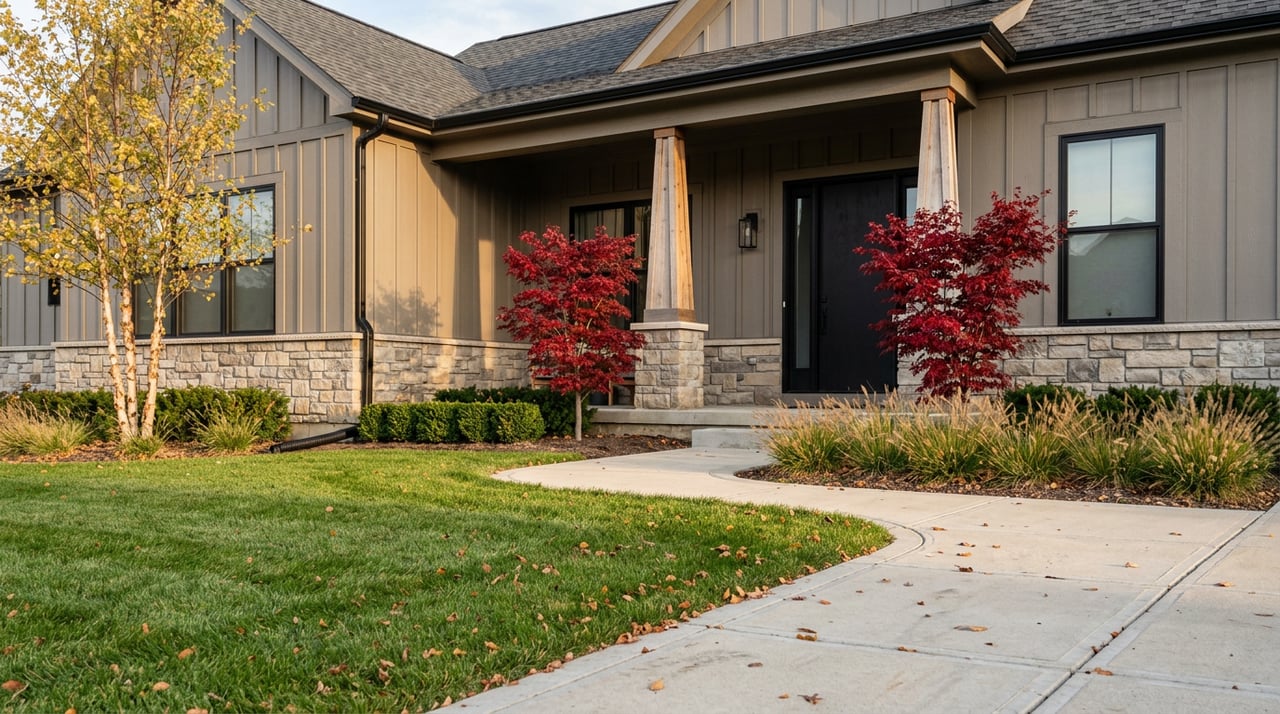
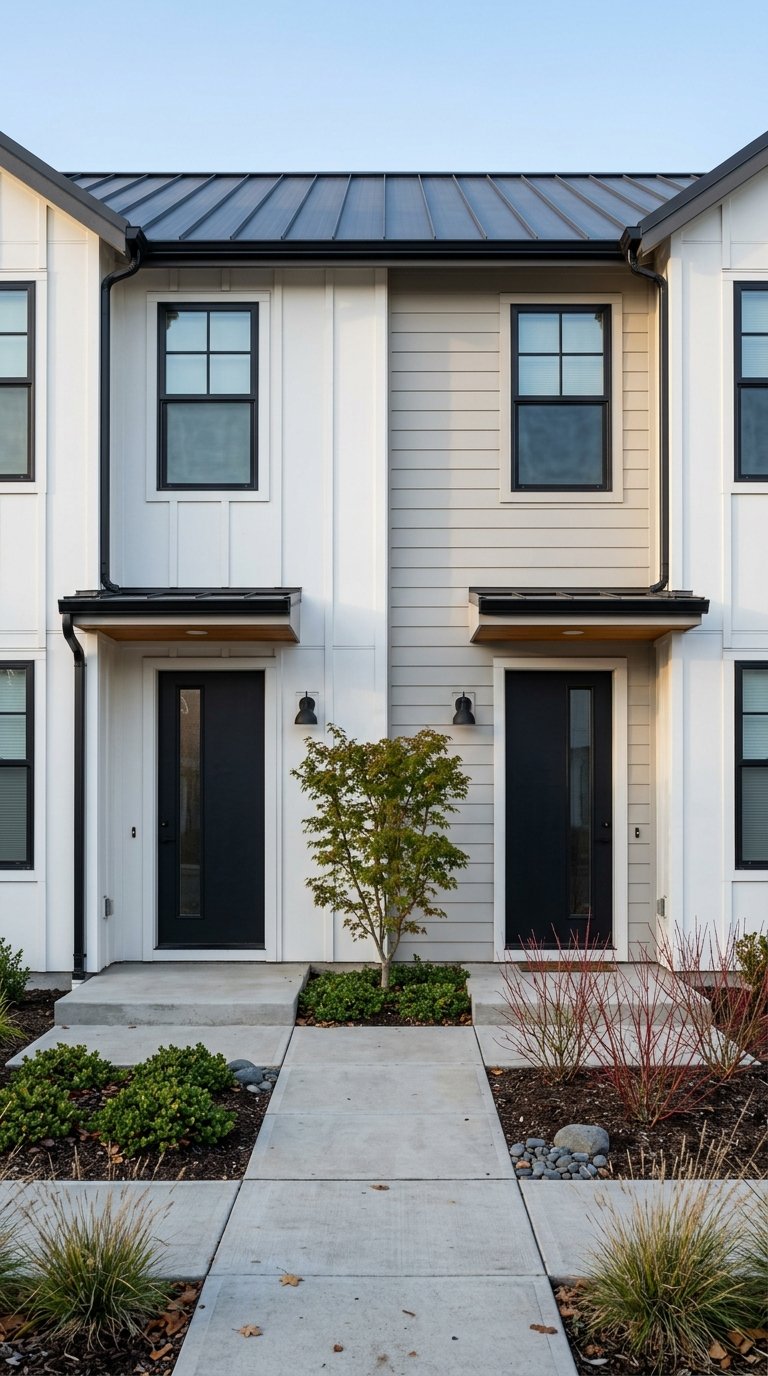
In Spokane, the condo-versus-house decision often comes down to daily life. A condo can be a strong fit if you want lower maintenance, a smaller footprint, and access to denser or more central areas. A house can make more sense if you want more privacy, yard space, storage, or flexibility.
That tradeoff shows up clearly in Spokane’s housing pattern. Downtown housing is more likely to include larger multifamily buildings, and about half of downtown units are one-bedroom units. That makes condo-style living especially relevant if you want convenience and less day-to-day property work.
Condo choices are not limited to downtown. Current listings show condo inventory in areas such as North Indian Trail, Kendall Yards, Northwest Spokane, Five Mile Prairie, and Manito-Cannon Hill. That gives you options if you want a more lock-and-leave lifestyle without focusing only on the urban core.
A house may be the better match if your day-to-day routine includes outdoor hobbies, extra storage needs, frequent guests, or a desire for more separation from neighbors. More space can be helpful, but it also means more to maintain.
Look closely at HOA documents in Washington
If you are considering a condo in Spokane, the association matters almost as much as the unit. Washington law requires important disclosures before transfer, including common expenses, unpaid assessments, and leasing restrictions. A resale certificate is also required.
That paperwork gives you a clearer view of what you are stepping into. It can show whether the association has current financial obligations, whether there are restrictions that affect how you plan to use the property, and whether there are issues that deserve more questions before you move forward.
Washington law also expects associations to consider reserve funding and reserve studies. These are meant to help plan for future major expenses such as roofing, painting, paving, siding, plumbing, and windows. In practical terms, that means the condition of the HOA’s finances can affect your ownership experience just as much as the countertops or flooring inside the unit.
Before buying a condo, make sure you review:
- Monthly association dues
- Any unpaid or upcoming assessments
- Reserve funding information
- Maintenance responsibilities
- Leasing restrictions
- Rules that may affect your use of the property
Think about resale and financing risk
A detached house and a condo can perform differently when you sell, and the financing process can be different too.
When a lender reviews a condo purchase, the focus may extend beyond your finances. The condo project itself may be reviewed for physical condition, financial stability, outstanding structural debts, lawsuits, and inspection status. That means your ability to buy, and later a future buyer’s ability to buy from you, may depend partly on the health of the association.
That extra layer does not make condos a bad choice. It simply means condo value is tied to more than the individual unit. A house tends to rely less on shared financial health and more directly on the property itself and the surrounding market.
There is also a broader market trend worth keeping in mind. National Redfin data reported that in May 2025, median U.S. condo sale prices fell 2.2% year over year, while single-family home prices rose 0.5%. That is not a Spokane-specific forecast, but it does show why rising HOA fees, insurance costs, or special assessments can put pressure on condo affordability and resale.
Use a simple Spokane decision rule
If you feel stuck, start with your priorities instead of the property type.
Start with condos if you want:
- Lower day-to-day maintenance
- A smaller home footprint
- Shared exterior upkeep
- A more central or denser location
- Less direct responsibility for common-area repairs
Start with houses if you want:
- More privacy
- Yard space
- More storage
- More flexibility for changes and improvements
- Direct control over repairs and upkeep
In Spokane, this is often less about which option is universally better and more about which one fits how you actually live. A condo may save time and lower your entry price. A house may give you more space and control. The right answer depends on what you value most over the next few years, not just what looks best on a search results page.
Questions to ask yourself first
Before you choose, take a few minutes to answer these honestly:
- How much space do you really need for everyday life, hobbies, guests, pets, or storage?
- Are you comfortable with HOA dues and the possibility of special assessments?
- Do you prefer shared maintenance, or do you want more personal control?
- If you may move in a few years, are you comfortable with resale being influenced by association health?
- Does a lower purchase price still make sense once you include dues, insurance, and taxes?
The more honest you are here, the easier your search becomes. Good real estate decisions usually come from matching the numbers to your lifestyle, not forcing yourself into a property type that looks good only on paper.
If you are comparing condos and houses in Spokane, a clear side-by-side review can save you time, stress, and costly surprises. That is where a local, finance-minded approach can make a real difference. If you want help weighing monthly cost, neighborhood fit, and long-term resale considerations, connect with Robert Jacobs II.
FAQs
What is the main difference between owning a condo versus a house in Spokane?
- A condo usually means you own your unit and share common areas through an association, while a house usually means you are responsible for the entire property.
Are Spokane condos usually cheaper than houses?
- Spokane condos often have a lower median listing price than the broader home market, but your full monthly cost may be higher once HOA dues, insurance, and other expenses are included.
What should Spokane condo buyers review before making an offer?
- You should review association dues, unpaid assessments, reserve funding, leasing restrictions, and the resale certificate required under Washington law.
Do condos in Spokane always mean downtown living?
- No. Condo listings also appear in areas such as North Indian Trail, Kendall Yards, Northwest Spokane, Five Mile Prairie, and Manito-Cannon Hill.
Is a house better than a condo for resale in Spokane?
- Not always, but condo resale can be more affected by association finances, project condition, and financing eligibility than detached-home resale.
How should Spokane buyers decide between a condo and a house?
- Start with your lifestyle, monthly budget, maintenance preferences, and future plans, then compare each option based on total cost and day-to-day fit.