If you are thinking about owning at Schweitzer, one question matters more than almost any other: what helps a mountain property stay desirable over time? Whether you are buying for personal use, a second home, or long-term resale potential, you want to understand what really supports value in a resort setting. The good news is that Schweitzer has several clear fundamentals working in its favor, and knowing them can help you make a smarter decision. Let’s dive in.
Scarcity Shapes Schweitzer Value
One of the biggest long-term value drivers at Schweitzer is simple: there is only so much usable land in the resort area. Bonner County notes that development can be limited by setbacks, density, easements, protected natural features, and other agency restrictions. In a mountain setting, those limits matter because they help define how much product can realistically come to market over time.
County documents describe Schweitzer Mountain Community as a 5,560-acre planned unit development, or PUD, with 7,228 allowed residential and commercial units. That does not mean every part of the mountain can expand freely or quickly. Instead, it points to a defined resort footprint where future development is shaped by planning rules, approvals, and the realities of the terrain.
For buyers, that scarcity can be important. In many resort markets, value tends to hold up best when well-located properties are not easily replicated just down the road. At Schweitzer, the combination of a planned development framework and finite mountain land helps support that story.
Four-Season Appeal Supports Demand
A resort that only works well for part of the year can face a narrower buyer pool. Schweitzer benefits from being a four-season destination, which helps keep it relevant to both owners and future buyers. That broader use can make a property more appealing beyond winter alone.
According to the resort, Schweitzer offers 2,900 skiable acres, 92 trails, and about 300 inches of average annual snowfall. The winter season typically runs from late November to mid-April. Those are meaningful fundamentals for buyers who want a true mountain experience with a long ski season.
Summer adds another layer of utility. Schweitzer reports 16 marked downhill biking trails, more than 30 multi-use trails, hiking, village dining, and a spa. When a resort offers reasons to visit in multiple seasons, it can strengthen owner enjoyment and widen long-term interest among future buyers.
Reinvestment Keeps the Resort Competitive
Long-term value is not just about what a resort has today. It is also about whether the mountain continues to improve and stay competitive. Schweitzer has a strong story here.
Alterra’s 2023 acquisition announcement said Schweitzer had received more than $100 million of capital investment over the prior decade. The resort’s master plan also outlines three phases of growth over 15 years, including Schweitzer Creek Village, improved access, new lifts, and added parking. For buyers, that kind of reinvestment matters because it points to continued attention to the guest and owner experience.
Schweitzer is also part of the Alterra Mountain Company family and the Ikon Pass community. That gives the resort broader visibility among destination skiers and travelers. While no one can promise future appreciation, a resort with active ownership, capital spending, and a long-term growth plan often has a stronger case for lasting appeal.
Sandpoint Access Expands the Buyer Pool
Schweitzer’s setting is part of its appeal, but so is its connection to Sandpoint. The resort is about 11 miles northwest of town and overlooks Lake Pend Oreille. That means owners are not isolated from year-round services, dining, arts, and daily conveniences.
This relationship matters because it broadens the type of buyer who may consider Schweitzer. Some buyers want a ski property with quick access to town, not a location that feels useful only in peak winter months. Being near Sandpoint helps Schweitzer appeal to second-home buyers, lifestyle buyers, and people who value both recreation and community access.
Regional growth adds another layer. Bonner County’s population estimate rose from 47,110 in 2020 to 53,955 in 2024, which is about 14.5% growth. Sandpoint’s planning analysis estimated a 2024 peak population of 11,413 when permanent residents, seasonal housing, and overnight visitors are combined, and the same study noted 538 housing units added since 2019.
Those numbers do not guarantee anything about future pricing, but they do suggest a growing regional hub. For Schweitzer owners, that can support demand beyond a narrow winter-only audience.
Convenience Often Wins on Resale
Not all resort properties tell the same resale story. In many cases, the homes and condos that are easiest to use are also the easiest for future buyers to understand. At Schweitzer, convenience tends to be one of the clearest long-term value drivers.
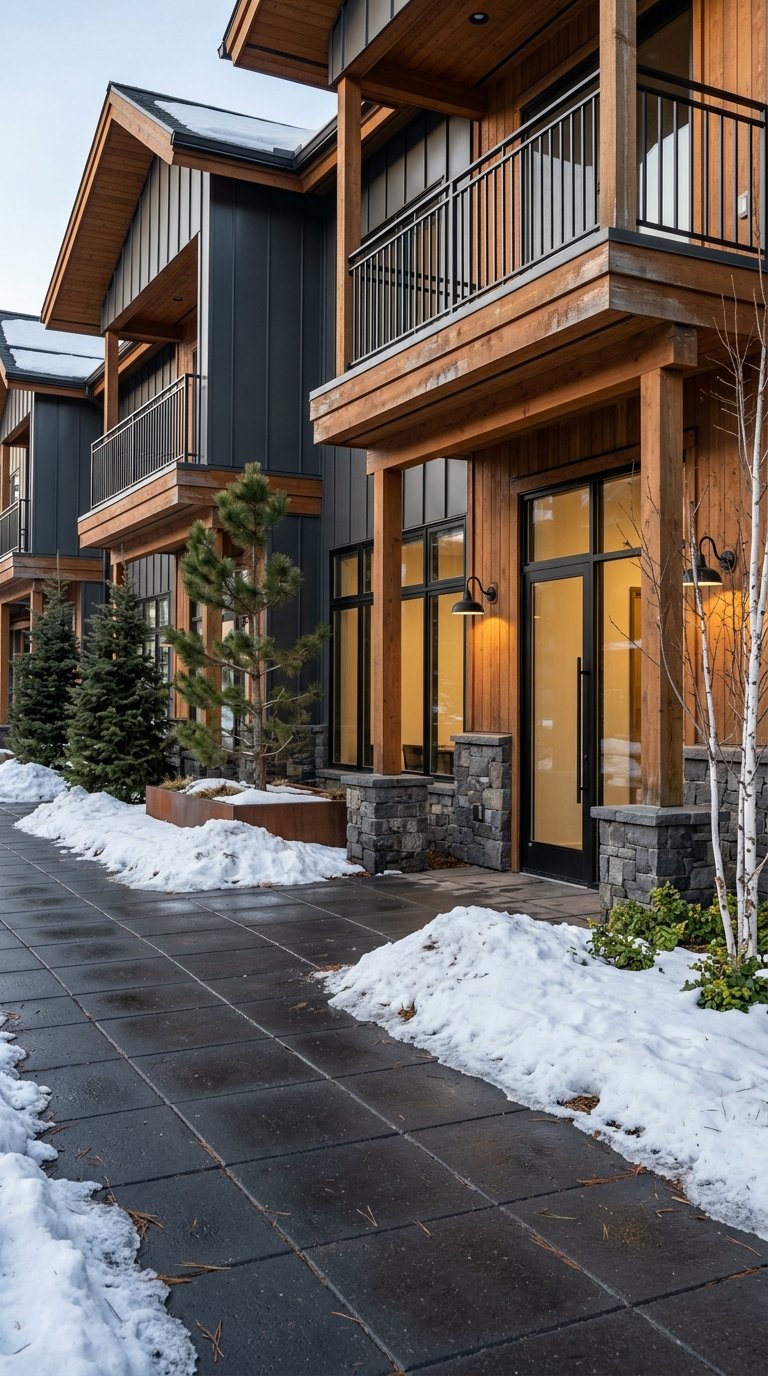
The resort markets Pinnacle Ridge and Chapel Point as ski-in/ski-out communities with features such as kitchens, fireplaces, garages or covered parking, and direct trail access. 5 Needles offers studio and two-bedroom condos with underground parking and ski storage. The winter fact sheet also describes Humbird as a 31-room ski-in/ski-out boutique hotel that opened in 2022.
These details matter because buyers often respond to features they can picture using right away. Ski access, protected parking, storage, and a walkable village setting are straightforward benefits. When a property solves practical ownership needs, it often becomes easier to position in the resale market.
Governance Matters More Than Many Buyers Expect
At a resort community, value is shaped by more than views and amenities. Governance also plays a role, especially when you are buying in a planned development with shared rules and review processes. This is one area where careful due diligence can make a real difference.
The Schweitzer Mountain Community Association says it handles architectural review, community rules, and capital-improvement support for the residential and commercial community. Bonner County also notes that in a PUD, standard setbacks may not apply the same way they do elsewhere. That means CC&Rs, HOA rules, and property-specific approvals can all influence ownership experience and future resale.
For you as a buyer, this is a practical reminder. A great location on the mountain is only part of the equation. You also want to understand the specific community structure, ongoing upkeep, and any rules that may affect how the property is used or improved.
What Buyers Should Focus On
If you are evaluating Schweitzer through a long-term lens, it helps to focus on the factors that are most visible in both ownership and resale. In many cases, the strongest opportunities are the properties that balance location, usability, and alignment with the resort’s year-round lifestyle.
Here are a few smart things to weigh:
- Ski access: Direct or simple access can be one of the easiest value points for future buyers to recognize.
- Parking: Garages, covered parking, or underground parking can make ownership more convenient in all seasons.
- Storage: Ski storage and practical gear space support how people actually use mountain property.
- Village proximity: Walkability to dining and resort amenities can improve day-to-day enjoyment.
- Summer utility: Properties that still feel useful outside ski season may appeal to a broader audience.
- Community rules: HOA structure, CC&Rs, and review standards can affect use, maintenance, and resale.
This is where a local, finance-minded approach matters. Looking at a property through both lifestyle and resale lenses can help you avoid overpaying for features that are less meaningful over time, while prioritizing the ones buyers consistently understand and value.
The Big Picture at Schweitzer
The long-term value case at Schweitzer is not built on one single factor. It comes from a combination of scarcity, four-season utility, steady reinvestment, access to Sandpoint, and property features that make ownership simple. Together, those fundamentals help explain why well-positioned Schweitzer properties can stand out in a North Idaho resort market.
Just as important, the best long-term opportunities are often the easiest to explain in plain terms. A property with strong ski access, useful parking and storage, and a setting that works in both winter and summer usually tells a clear story. In any market, clarity matters, and at a resort, it can be one of the strongest advantages you can buy.
If you are considering buying or selling near Schweitzer and want clear, data-driven guidance, Robert Jacobs II can help you evaluate the details that matter most and make a confident move.
FAQs
What drives long-term property value at Schweitzer Mountain?
- Long-term value at Schweitzer is supported by limited resort land, four-season recreation, continued resort investment, access to Sandpoint, and practical property features like ski access, parking, and storage.
Why does land scarcity matter for Schweitzer real estate?
- Land scarcity matters because Schweitzer sits within a planned development area where growth is shaped by Bonner County rules, terrain, easements, density limits, and other restrictions rather than unlimited outward expansion.
How does Sandpoint affect Schweitzer home demand?
- Sandpoint helps widen the buyer pool because Schweitzer owners are close to year-round dining, arts, services, and community amenities, which makes the resort appealing beyond winter-only use.
What property features are most helpful for Schweitzer resale?
- The most helpful resale features are often ski-in/ski-out access, walkability, garages or covered parking, underground parking, ski storage, and layouts that are easy for future buyers to use and understand.
Why should buyers review HOA and community rules at Schweitzer?
- Buyers should review HOA and community rules because architectural review, community standards, capital improvements, and property-specific approvals can all affect ownership experience and resale potential.