If you want your Spokane home to make a strong first impression, the work starts before the listing photos and before the sign goes in the yard. A pre-listing walkthrough helps you and your agent spot what buyers are likely to notice right away, from cluttered counters to overgrown grass near the curb. When you prepare in advance, you can make smarter decisions, avoid last-minute stress, and head into listing with more confidence. Let’s dive in.
Understand the walkthrough goal
A pre-listing walkthrough is not about creating a huge to-do list. It is about identifying the updates that can improve how your home shows, support pricing, and reduce surprises later.
That matters because first impressions carry real weight. Recent NAR research found that 92% of REALTORS® said they recommend improving curb appeal before listing, 97% said curb appeal is important in attracting a buyer, and sellers’ agents commonly recommend decluttering, whole-home cleaning, and exterior improvements.
In practical terms, your Spokane walkthrough should focus on the areas buyers notice first. That usually means the exterior approach, the main living spaces, and any visible condition issues that make the home feel less maintained.
Start with the biggest visual wins
Before your agent arrives, aim for clean, open, and functional rather than perfect. Most sellers do not need a remodel at this stage. They need a home that feels cared for and market-ready.
NAR guidance describes staging as cleaning, decluttering, repairing, depersonalizing, and updating the home so buyers can imagine living there. That makes the walkthrough easier and more productive because your agent can focus on fine-tuning instead of basic cleanup.
Declutter main living spaces
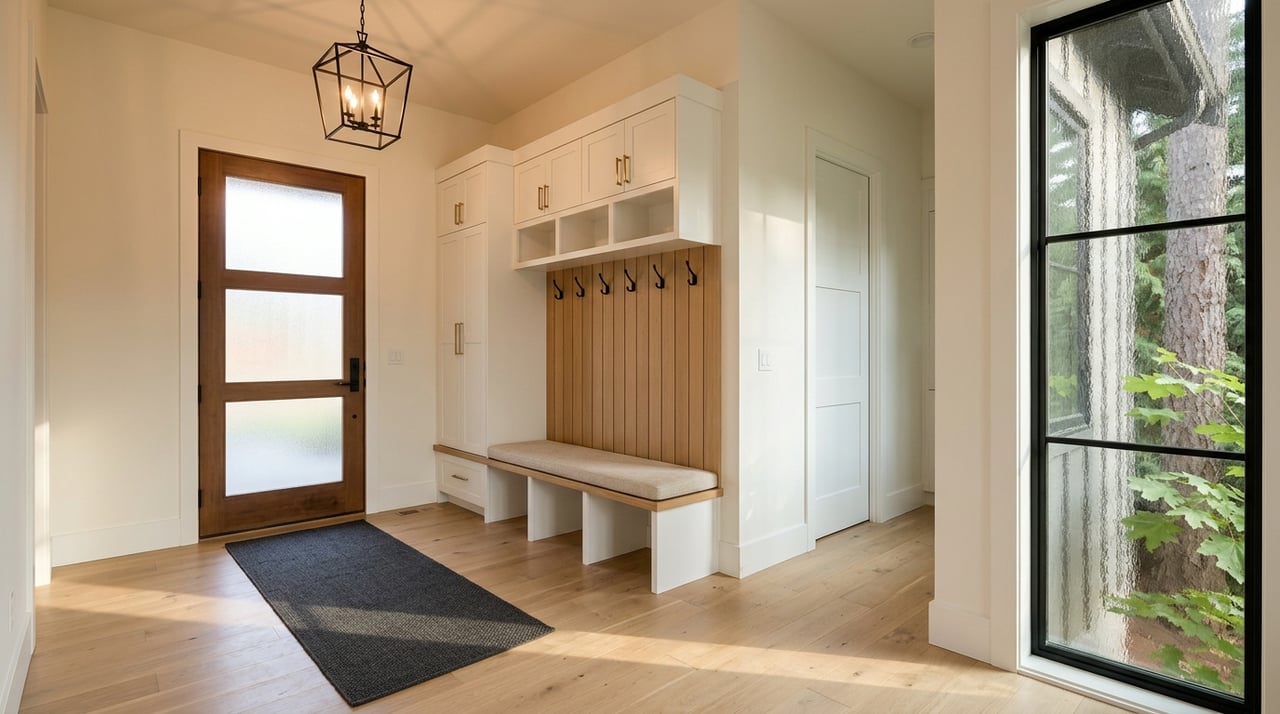
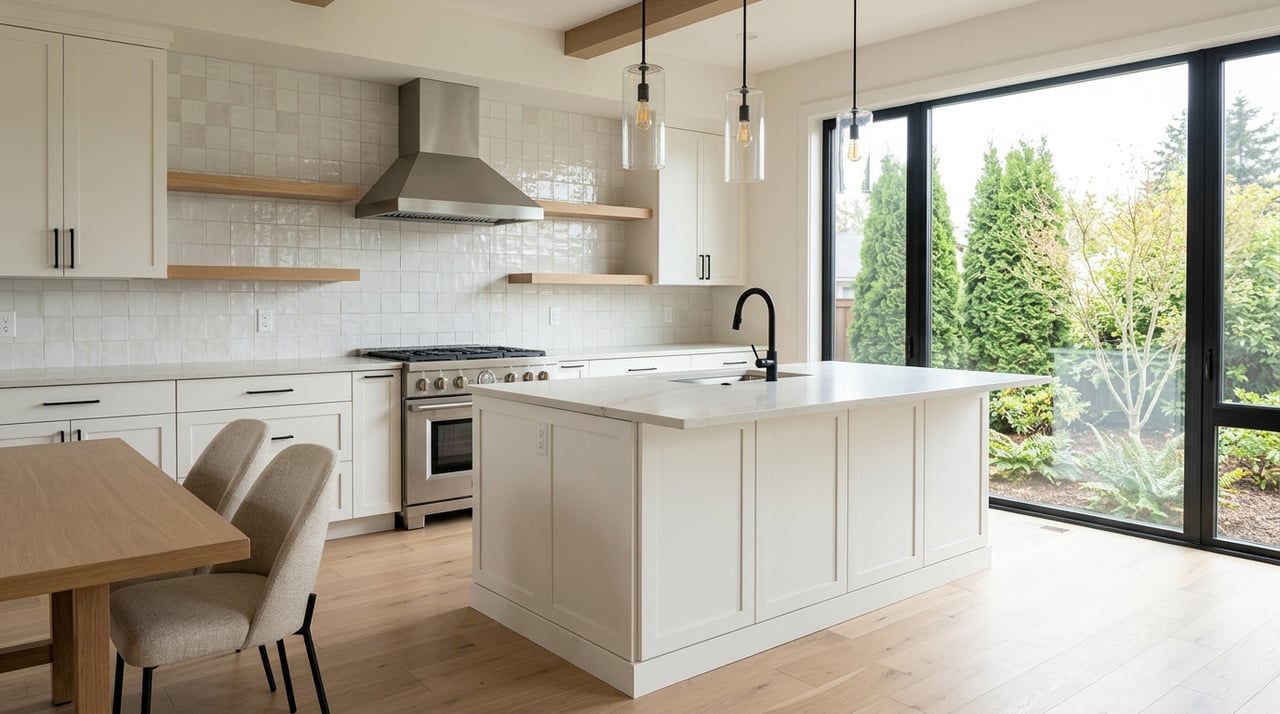
Give extra attention to the rooms that shape a buyer’s first impression. NAR’s 2025 staging survey found that buyers’ agents viewed the living room, primary bedroom, and kitchen as the most important rooms to stage.
Start by removing extra items from counters, tabletops, nightstands, and shelves. If a room feels crowded, store a few pieces of furniture or decor so the space reads larger and easier to use.
Deep clean the obvious areas
A clean home signals care. Focus on floors, kitchen surfaces, bathrooms, windows, mirrors, and high-touch areas like doors, handles, and light switches.
If you have pets, pay close attention to odors, hair, and scratched-up surfaces. Even small cleanliness issues can distract buyers during showings and photos.
Depersonalize without stripping character
You do not need to erase every sign of life. The goal is to help buyers picture themselves in the home without too many personal distractions.
That usually means packing away highly personal photos, bold niche decor, and anything that makes rooms feel visually busy. Clean, simple spaces tend to photograph better and feel more inviting in person.
Handle small repairs before big projects
For most Spokane sellers, visible repairs matter more than major upgrades before the walkthrough. NAR remodeling guidance points to value in practical DIY improvements such as deep cleaning flooring, fresh paint, lawn care, and updated outlets or fixtures.
This is good news if you are trying to prepare efficiently. You may not need to renovate. You may just need to fix the items that make buyers wonder what else has been overlooked.
Tackle easy repair items
Walk through your home with a notepad and look for quick fixes such as:
- Burnt-out light bulbs
- Loose cabinet hardware
- Dripping faucets
- Minor caulk gaps
- Scuffed paint
- Sticky doors
- Outdated or damaged switch plates
These items are often inexpensive to address, but they can have an outsized effect on how polished your home feels.
Touch up paint where needed
Fresh paint is not always necessary throughout the whole house. Still, touching up scuffs, chips, and worn trim can make a noticeable difference.
Focus on high-traffic areas and walls with obvious marks. A cleaner, more uniform finish helps the home feel better maintained.
Clean up Spokane curb appeal
In Spokane, exterior presentation deserves special attention. Buyers notice the front yard, walkway, and curb line before they ever step inside, and city maintenance standards also make this an important part of pre-listing prep.
The City of Spokane property maintenance code requires owners and occupants to remove grasses, weeds, shrubs, bushes, trees, vegetation, and debris that are considered a nuisance, fire hazard, or danger to public health, safety, or welfare. The code also states that grasses and weeds over 10 inches in height must be removed.
Mow, edge, and trim first
Start with the basics:
- Mow the lawn
- Edge along sidewalks and driveways
- Trim overgrown shrubs
- Remove weeds from planting beds
- Clear debris from the yard
- Sweep porches and walkways
These simple steps can quickly improve how the property looks from the street.
Check sidewalk and curb-line areas
The city also requires vegetation to be pruned so sidewalks have the needed clearance. In addition, Spokane’s Streets Department says weeds and grass growing in the curb line are the homeowner’s responsibility.
That means the parking strip and edge along the street should not be ignored. Cleaning up those areas can make the whole property feel sharper and more cared for.
Gather records before questions come up
A strong pre-listing walkthrough is also a paperwork exercise. If your agent flags a question about an addition, deck, system update, or past repair, it helps to have records ready.
This part of the process can save time later. It also helps you answer disclosure questions more accurately once your home goes on the market.
Pull permit history if needed
If your home has had additions, deck work, remodels, or other improvements, gather permit information before the walkthrough if you can. The City of Spokane permit activity map includes up to three years of building, planning, and engineering permit data and is updated nightly, and the city also offers a pre-1993 permit archive for older records.
You do not need every document in hand before meeting with your agent. But if you know there was past work on the home, it is smart to begin locating the paper trail early.
Collect repair and ownership documents
Set aside a folder with documents such as:
- Recent repair receipts
- Contractor invoices
- Appliance or system manuals
- Transferable warranties
- HOA documents, if applicable
- Tax information
Spokane County’s SCOUT property information system can be useful for pulling current property-tax and tax-statement information before the walkthrough.
Prepare for Washington disclosure forms
Washington seller disclosure rules are one of the best reasons to get organized early. For improved residential property, the seller must provide a completed, signed, and dated real property transfer disclosure statement based on the seller’s actual knowledge, usually within five business days after mutual acceptance unless that right is waived.
The buyer generally has three business days to rescind after receiving it. The law also states that the disclosure is for disclosure only and is not a warranty by the seller or the agent.
Know what the form covers
The disclosure form asks about major systems and property conditions. That includes items such as electrical, plumbing, heating and cooling, fire and security systems, carbon monoxide alarms, smoke detection devices, and homeowners’ association or common-interest information.
The form also includes notices related to possible proximity to a farm or working forest and to oil tanks used for heating. Because the form is based on your actual knowledge, it helps to surface questions early while you still have time to verify details.
Use the walkthrough to find unknowns
Your pre-listing walkthrough is the right time to ask, “What do I still need to confirm?” If something about the roof, a remodel, an HOA record, or a past repair is unclear, now is the time to investigate.
That early review can help you avoid rushed answers later. Under Washington law, if new information makes the disclosure inaccurate after it is completed, the seller must amend the disclosure.
Ask your agent the right questions
The best walkthrough ends with priorities, not overwhelm. You want a short action plan that helps you focus on what matters most for presentation, pricing, and documentation.
As you walk the home, ask questions that help separate true priorities from nice-to-have projects.
Key questions to cover
Consider asking:
- Which fixes are most likely to improve first impressions?
- Which items should be cleaned, repaired, replaced, or simply disclosed?
- Are there any visible issues that could affect photos or showings?
- Which documents should I locate now?
- Are there any permit, HOA, or disclosure items that still need backup?
This kind of conversation helps you prepare with purpose. It also gives you a clearer path to market, which is especially valuable if you want to list on a tight timeline.
Keep your Spokane prep simple
You do not need to do everything before your pre-listing walkthrough. You do need to make it easy for your agent to see the home clearly, identify the highest-impact improvements, and help you build a smart plan.
In most cases, the best results come from a few practical steps: clean thoroughly, declutter key rooms, fix visible wear, tidy the yard, and gather the records that support your home’s story. If you do that, your walkthrough becomes far more useful and far less stressful.
When you are ready to plan your next steps, Robert Jacobs II can help you evaluate your Spokane home with a clear, strategic pre-listing approach.
FAQs
What is a pre-listing walkthrough for a Spokane home?
- A pre-listing walkthrough helps you and your agent identify visible improvements, repair priorities, and paperwork needs before photos, pricing, and showings begin.
What should I clean before a Spokane pre-listing walkthrough?
- Focus on the rooms that shape first impressions, especially the living room, primary bedroom, kitchen, bathrooms, and main entry areas.
What outdoor items matter most before listing a Spokane home?
- Mowing, edging, trimming vegetation, clearing weeds, and cleaning sidewalks and curb-line areas can improve curb appeal and help address Spokane maintenance standards.
What documents should I gather before listing a Spokane house?
- Useful documents include repair receipts, warranties, contractor invoices, manuals, HOA records if applicable, permit history, and current property-tax information.
Why should Spokane sellers review disclosure items early?
- Washington’s disclosure form covers major systems and known property conditions, so reviewing details early gives you time to verify facts and avoid last-minute surprises.